Community Defense Needs a Game Plan
a guide to understanding risk, building community defense, and finding your role during moments of crisis

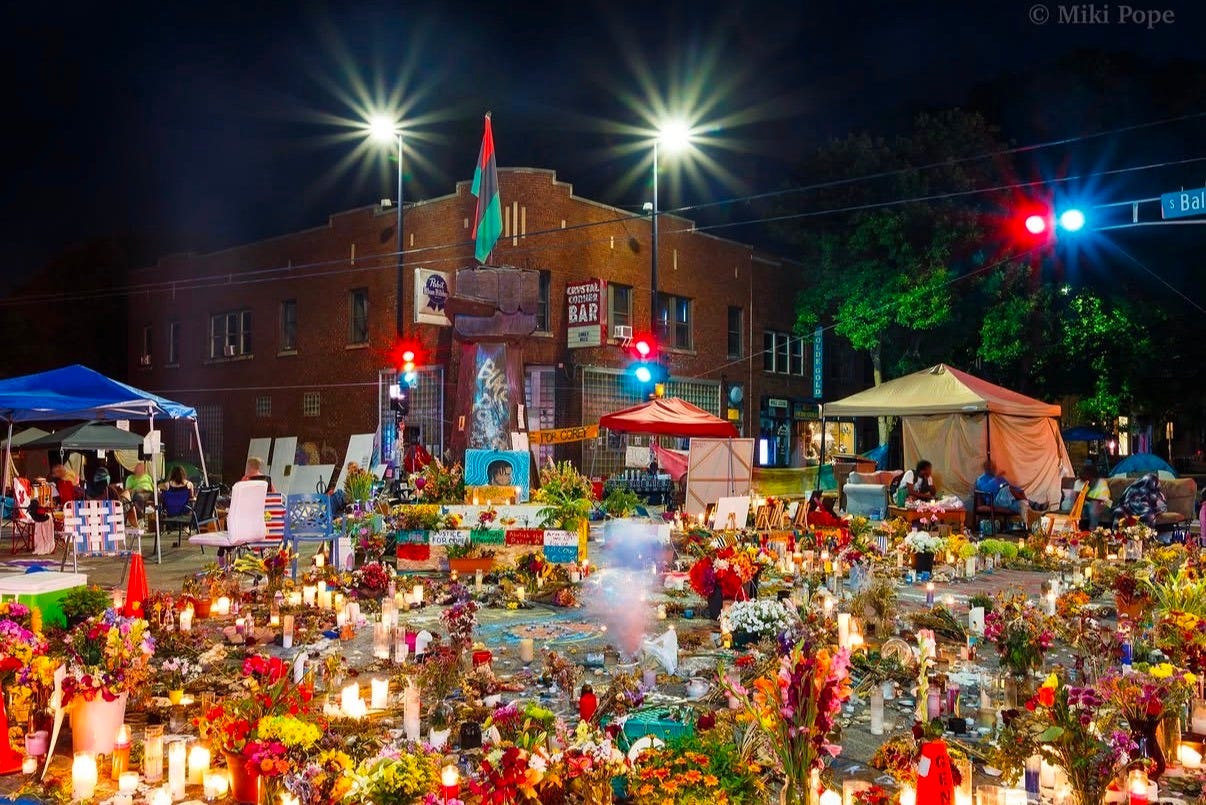
When a crisis happens, communities often find themselves improvising under extreme pressure. People arrive because they care, because they are angry, because they want to protect each other — but a crisis can quickly become a situation where people are forced into impossible choices.
One of the lessons from the leaderless Hong Kong protest movement was the phrase popularized by Bruce Lee: “Be water.” Leaderless movements should be able to adapt and negotiate space. A successful community defense strategy does not make itself predictable.
The Justice for Corey Ruiz movement has been powerful in part because it has not been controlled by a single organization. The memorial vigil site was many autonomous parts working together: mental health support, food distribution, clothing donations, medical support, free haircuts, sanitation, fundraising for funeral expenses, and vigil support. Each part was independently organized, often by people who did not know each other at all before the crisis. That autonomy made the movement harder to control because there was no single person who could negotiate away everyone’s participation.
A movement is strongest when it has a game plan.
1. Understand the Risks
The first step in community defense is understanding the risks before a crisis happens.
When I arrived at the Corey Ruiz memorial site on August 4 at around 4:45 a.m., someone approached me and said, “We’re giving people the option of staying or leaving.”
I said, “I’m happy to stay, but what is the plan?”
Her response: “There is no plan.”
A better strategy is coordinating people with different risks or skills to better protect those willing to be arrested. The options do not have to be: stay or leave. The options can be: stay and defend (red level), stay and protect (yellow level), or stay and witness (green level).
Green Level: People Who Are Not Willing to Risk Arrest
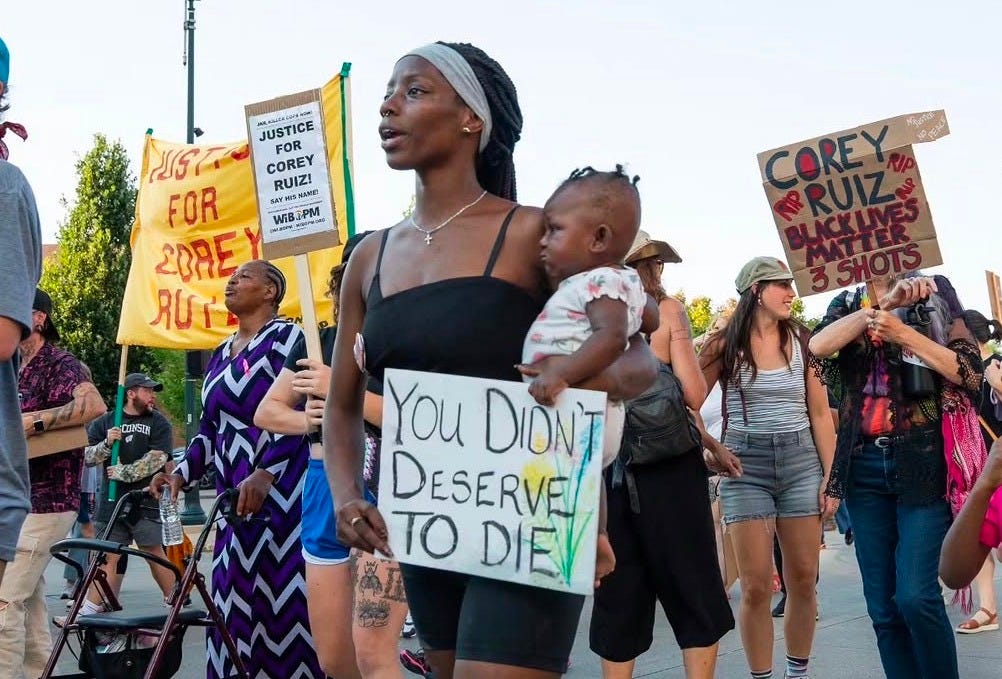
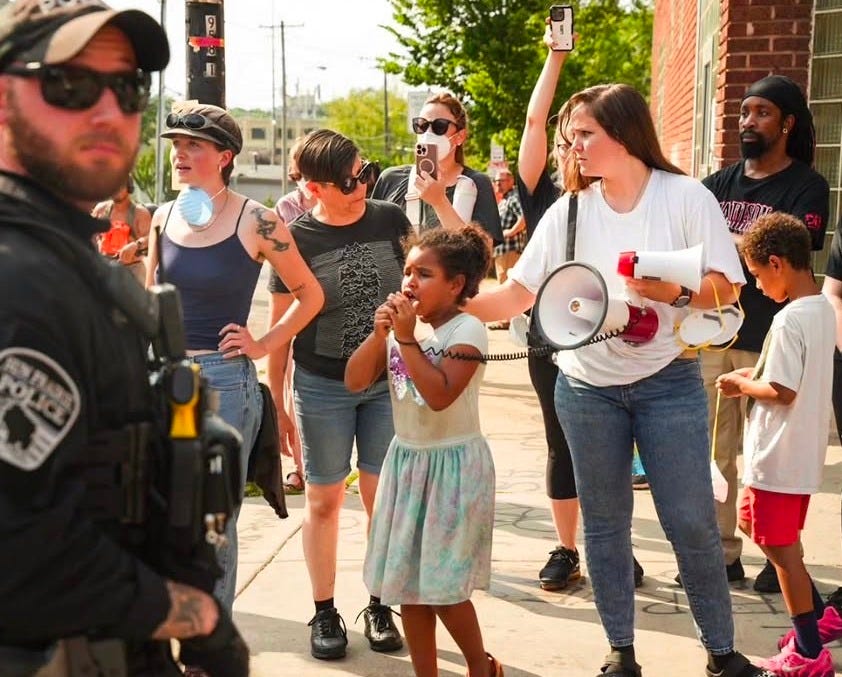
Green-level participants are people who are not willing to be arrested. This includes: people with children, disabled community members, older people, journalists and press, faith leaders, elected officials, and any community members who cannot take on legal risk.
The presence of “green-level people” actively make a crisis safer.
Police behave differently when they know they are being watched. Cameras, press, faith leaders, and elected officials make it more difficult for authorities to act without scrutiny.
Yellow Level: People Willing to Take Some Risk but Not Seeking Arrest
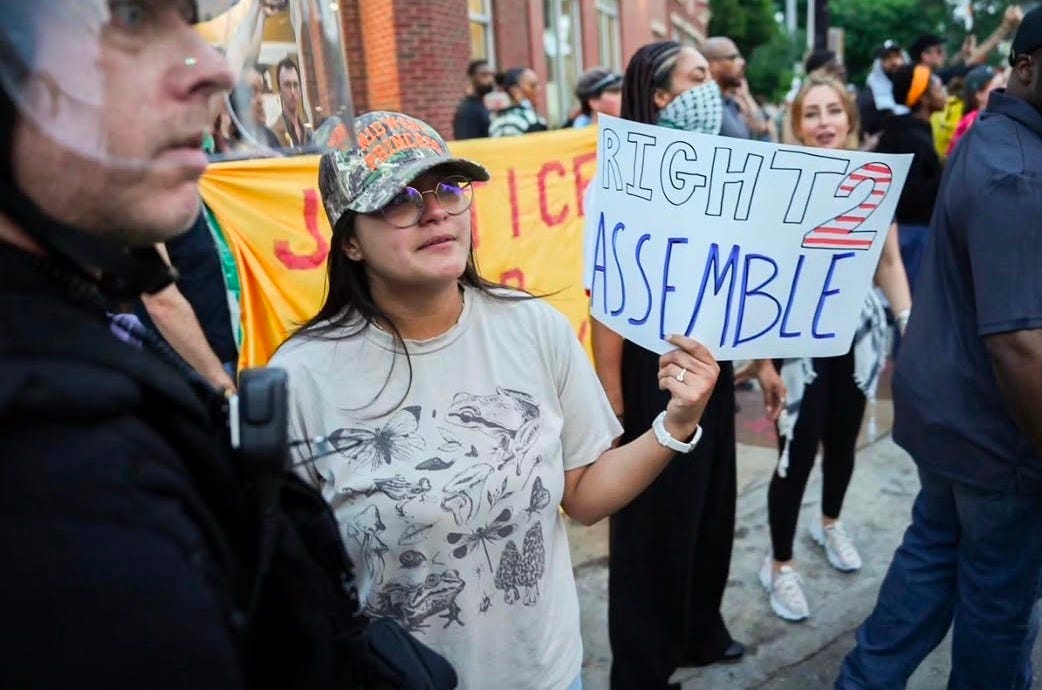
Yellow-level participants are people who are willing to show up during a crisis but are not planning to get arrested.
If police issue a dispersal order, they leave.
Yellow-level participants create a buffer between the most vulnerable people and those attempting to use force. They provide support, share information, and make it harder for authorities to isolate people who are at greater risk.
Red Level: People Willing to Risk Arrest
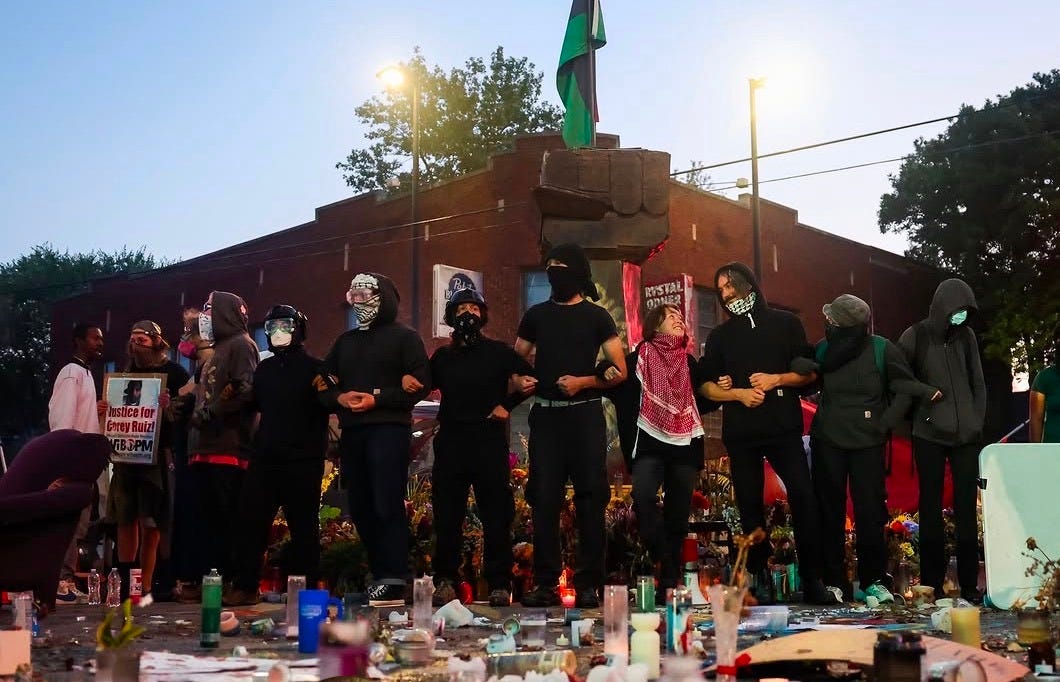
Red-level participants are people who are intentionally willing to risk arrest.
Someone participating at this level should understand what they are risking, why they are taking that risk, what their goals are, and what support exists afterward.
Intentional arrest only makes sense when it serves a strategy. Arrest can be used to cause delays, or to generate visibility, political pressure, and public attention.
Understand your own boundaries. Are you willing to be arrested? Are you willing to be detained? Are you willing to risk injury? Are there responsibilities that limit what risks you can take?
Design your actions so that green-level and yellow-level people can remain involved as long as possible. There is safety in numbers. You need people willing to take direct action while others call officials. You need people willing to risk arrest while others observe. You need people spreading information while others answer the call.
2. Principles of Community Defense
Strategy 1: Legal Observation
The first line of community defense is knowing your rights and documenting what happens. Legal observers (like those trained through organizations such as the National Lawyers Guild) monitor police actions and document potential violations.
Anyone can legally observe. You do not need an official title to watch what police are doing, record events, track badge numbers, ask questions about procedure, document arrests, or collect information.
Police often act differently when they know they are being watched. Documentation slows them down.
Strategy 2: Leave and Return
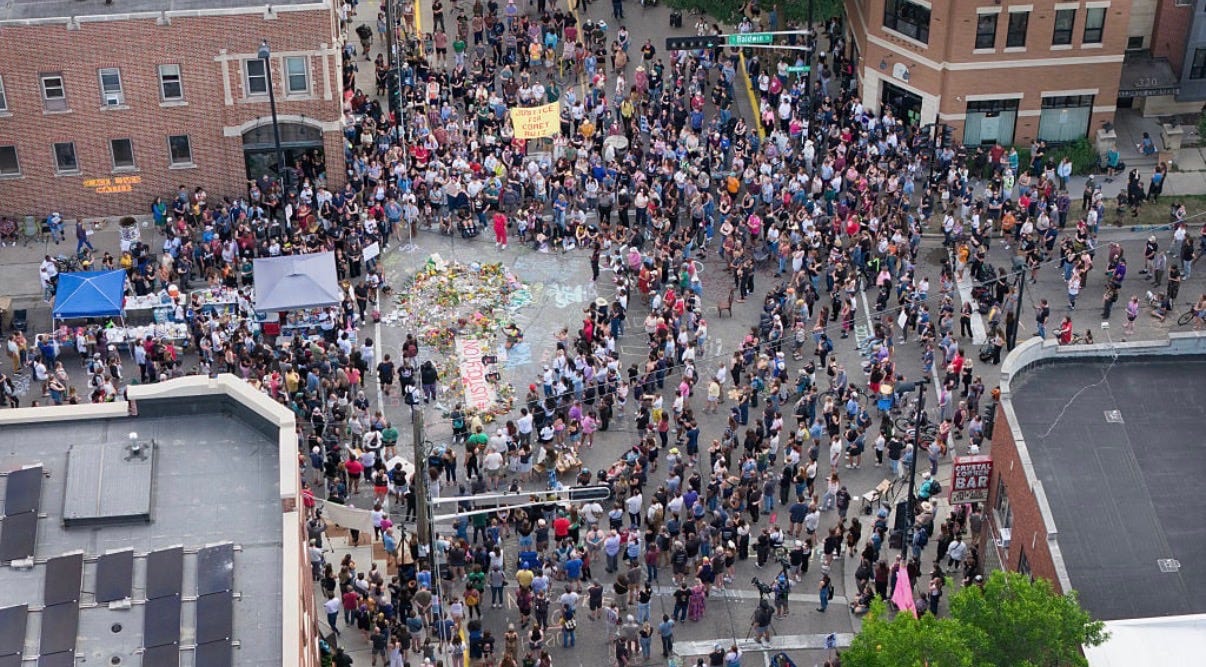
A key strategy for people who are green-level or yellow-level participants is leave and return.
If police issue a dispersal order and someone chooses to leave, that does not mean the community loses the space permanently.
The strategy: 1) Leave when necessary. 2) Wait until police presence decreases. 3) Return.
This prevents unnecessary arrests while allowing communities to maintain presence.
In Madison, community members returned to the protest site after police moved away.
Strategy 3: Blockades
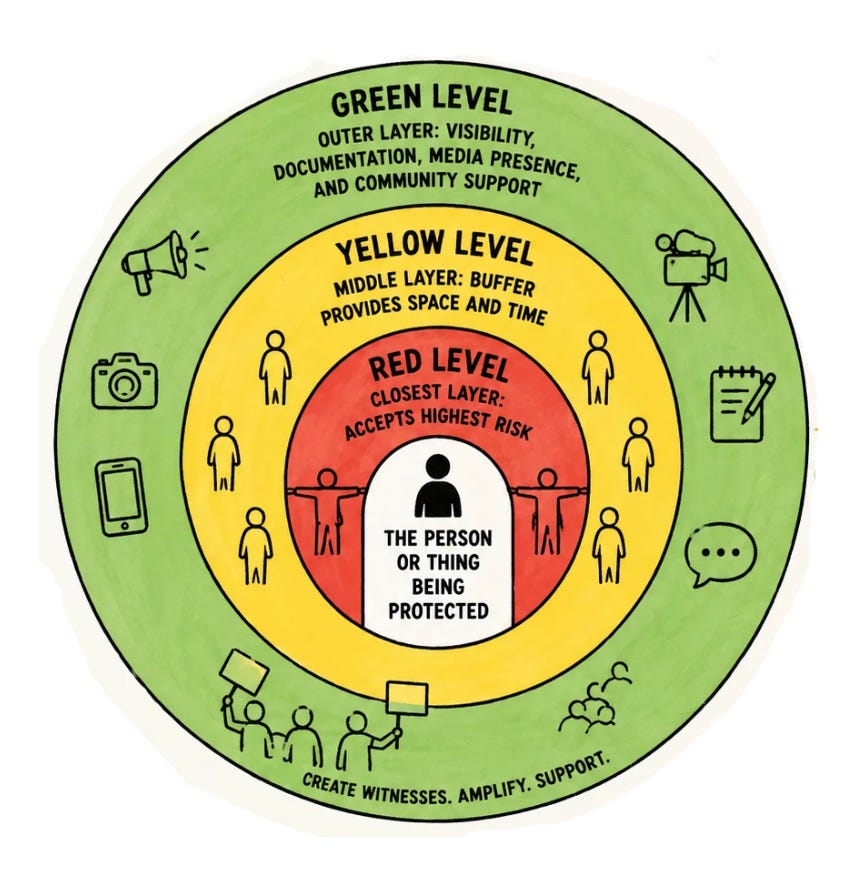
A blockade works by organizing protection around the most vulnerable point.
Think of it as concentric circles.
At the center is the person or thing being protected.
Around them:
Red-level participants create the closest layer and accept the highest risk.
Yellow-level participants create another layer and provide a buffer.
Green-level participants create the outer layer through visibility, documentation, media presence, and community support.
The purpose is slowing down harm. Each layer creates time, witnesses, and options.
Strategy 4: Rapid Response
A crisis is not the time to create a communication structure. Know your neighbors before the crisis! A rapid response system can take many forms: phone trees or group chats on Signal, Telegram, or WhatsApp. WhatsApp, for example, is widely used globally, including by many immigrant communities.
People need to know: what kind of response is needed, what level of risk is involved, and where people should go.
Strategy 5: Site Security
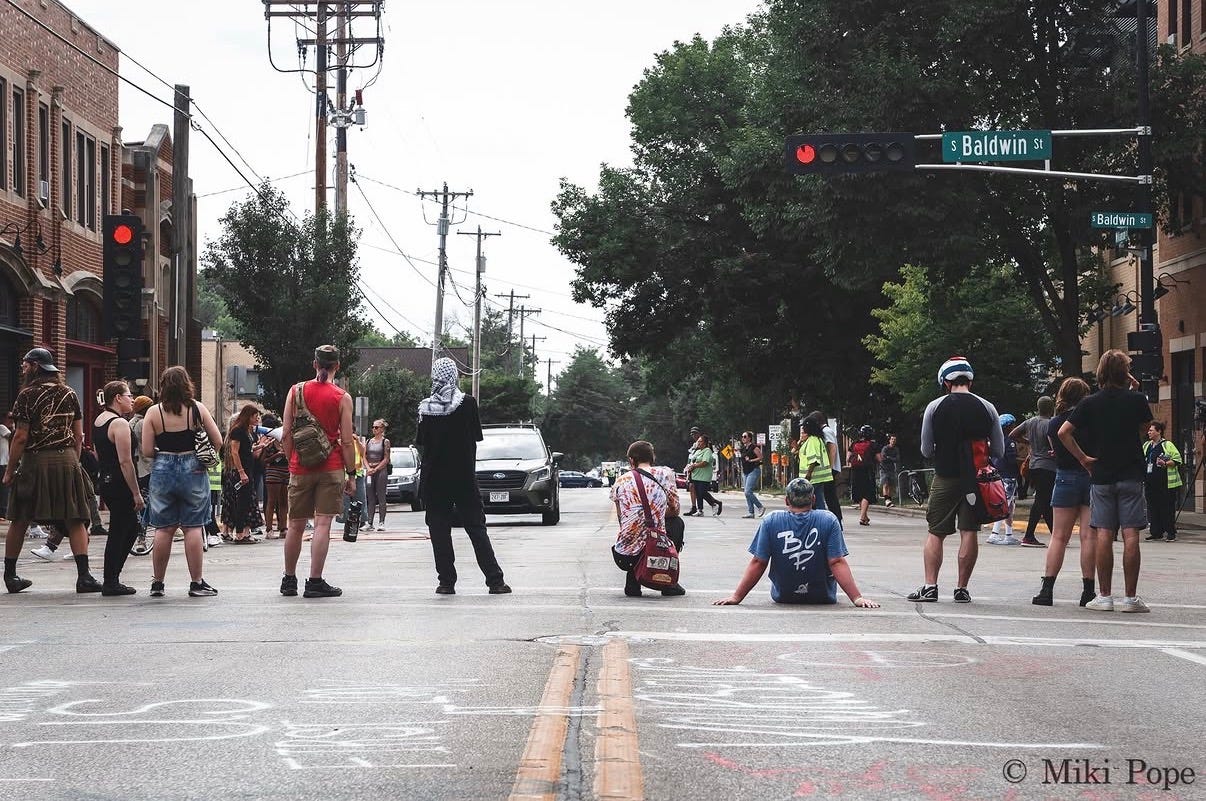
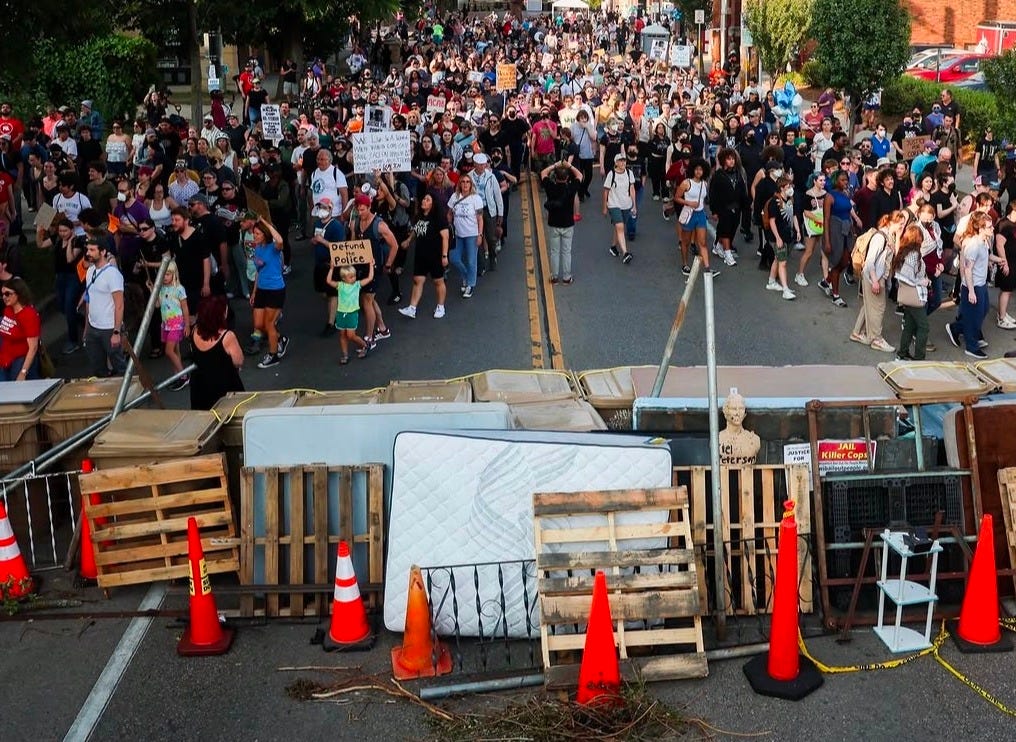
Barricades, human chains, and stoop watches slow your opponents down, buy time, and protect vulnerable areas. Neighbors positioned at barricades can also offer immediate alerts about crises. Ideally, communities should build relationships with nearby neighbors to set up a barricade or stoop watch.
The biggest challenge with site security is burnout and exhaustion. Maintaining 24-hour coverage can be difficult. People burn out and lose sleep. Strategic thinking becomes harder.
Best practices include:
Short shifts (approximately 4 hours).
Clear responsibilities.
Limited numbers of people at any one location (2-4 people).
Prioritizing rest.
Prioritizing peak times (evening hours and early morning hours, when sweeps historically occur)
3. Roles in Community Defense
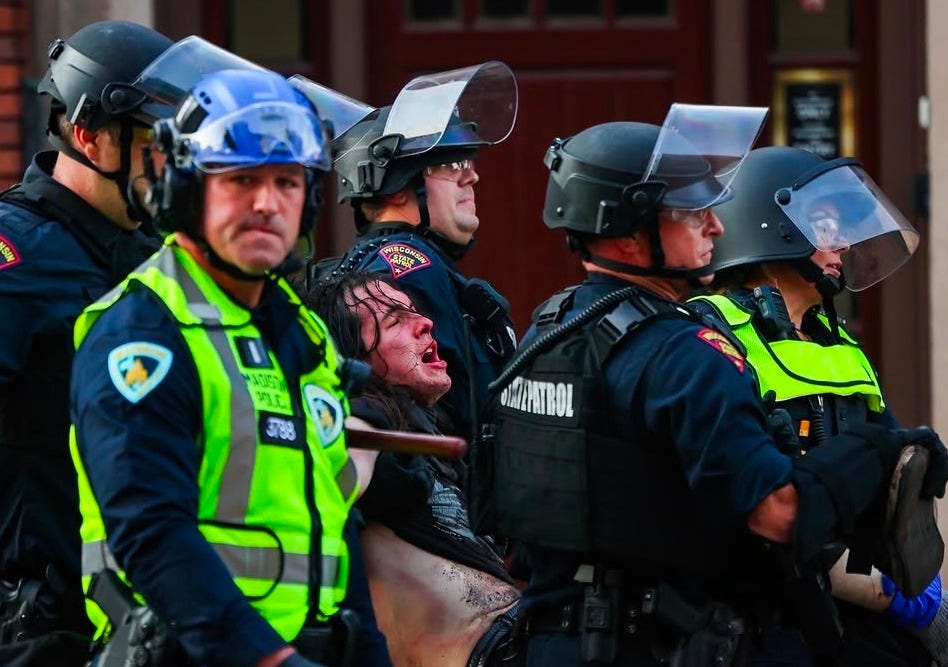
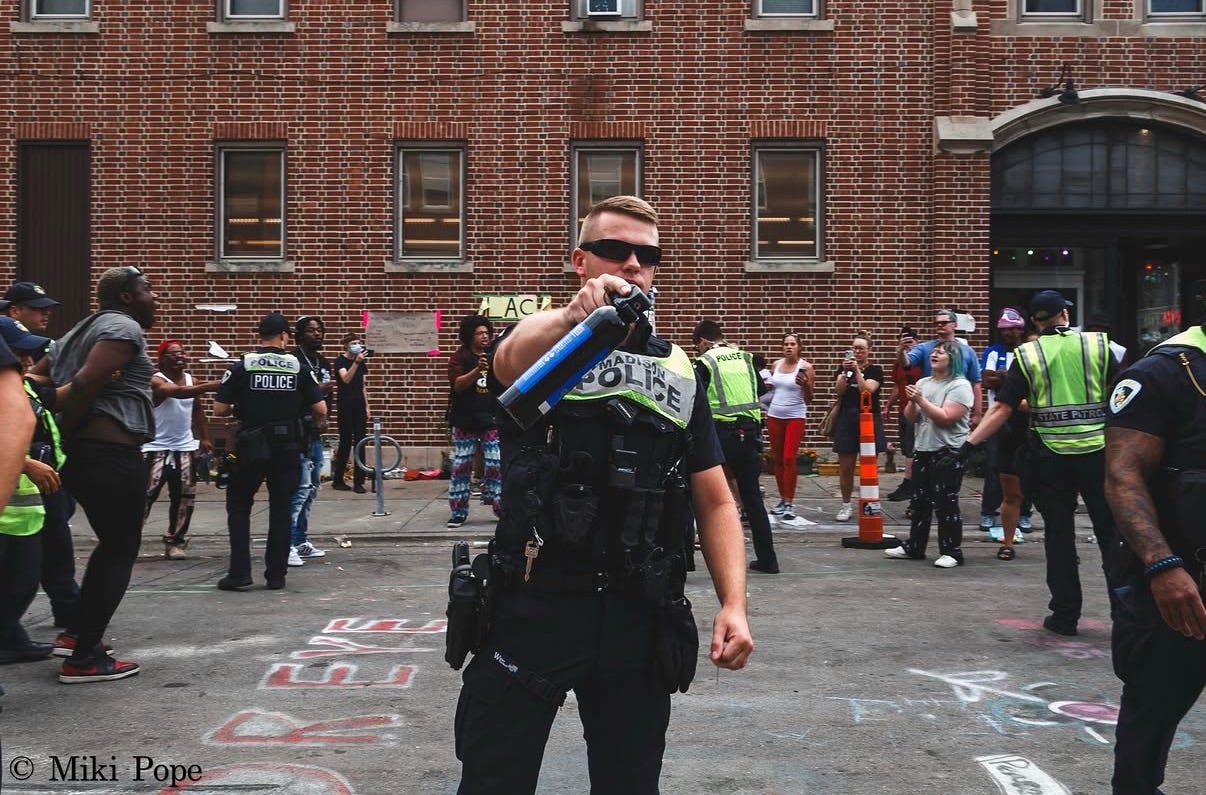
Autonomous community defense depends on many different people working together.
Alert - The alert role is the community’s Paul Revere. A crisis response depends on getting information out quickly. These people activate networks, share updates, contact organizations, bring people to the site, and relay urgent developments.
Legal observers - Document police abuses, record arrests, track property loss, record badge numbers, and preserve evidence. Their presence creates accountability.
Medics - Local police are armed with “less lethal” weapons like rubber bullets and mace. Communities should understand what tools their local police use and prepare accordingly. Common injuries include cuts, sprains, and eye injuries from chemical irritants like pepper spray. Basic supplies include gloves, gauze, ointment, and water.
Bail Support - Bail support means tracking arrests, coordinating legal support, raising funds, supporting people after release, helping with transportation and logistics.
Neighborhood Outreach - Community defense requires relationships with people nearby. This means talking with neighbors, explaining what is happening, sharing contact information, connecting residents to rapid response networks, and building relationships with supportive businesses. Businesses and organizations that support community action can provide resources, and local legitimacy.
Public Advocacy - Public visibility creates pressure. This includes: calling elected officials, contacting faith leaders, mobilizing unions, reaching community organizations, and sharing information publicly.
Media - Movements often have a PR problem. Use media strategy to share accurate information, correct misinformation, communicate demands, and explain the purpose of your actions.
Documentation - History is written by those who record it. Important things to document include: arrests, officer names and badge numbers, police agencies present, property destruction, officials present, and the timeline of events.
Noise - Bring the noise (megaphones, sound systems, and chants) to maintain public visibility and draw a crowd.
Marshaling - Marshals help direct movement and reduce confusion.
Scouts - Scouts monitor surrounding areas and communicate important developments. They help communities understand where police are moving, what resources are arriving, and what changes are happening nearby.
Drivers - Drivers support logistics by transporting people and supplies, especially driving community members home after they’ve been released from jail.
No community defense effort succeeds through one tactic or one group. We need different people bringing different skills.
The movement for Justice for Corey Ruiz has demonstrated that communities can organize across differences by working together around shared principles.
Justice for Corey Ruiz.
This is a REALLY great breakdown of basic protest safety. Awesome work
Thank you!